Graduates of subsequent Master's studies have all the necessary knowledge and skills to be applied in practice, or for further education.
Master’s study
About follow-up Master's studies
- All necessary knowledge and skills to be applied in practice, or for further education.
- Graduates of the follow-up Master's study program receive the academic title of engineer (Ing.).
- Follow-up Master's studies last 2 years.
- The study can be studied in full-time mode only.
Electrical Power Engineering
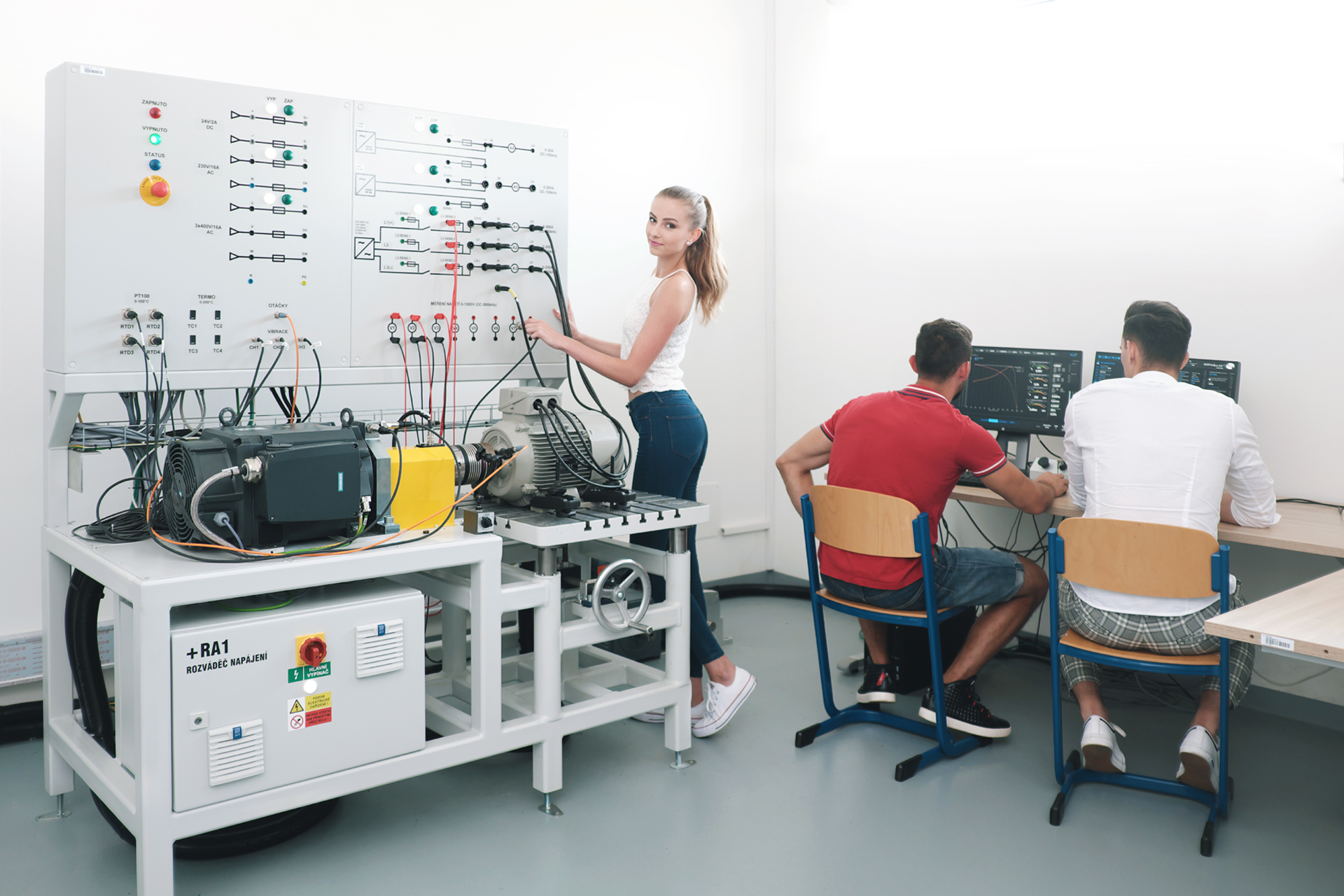
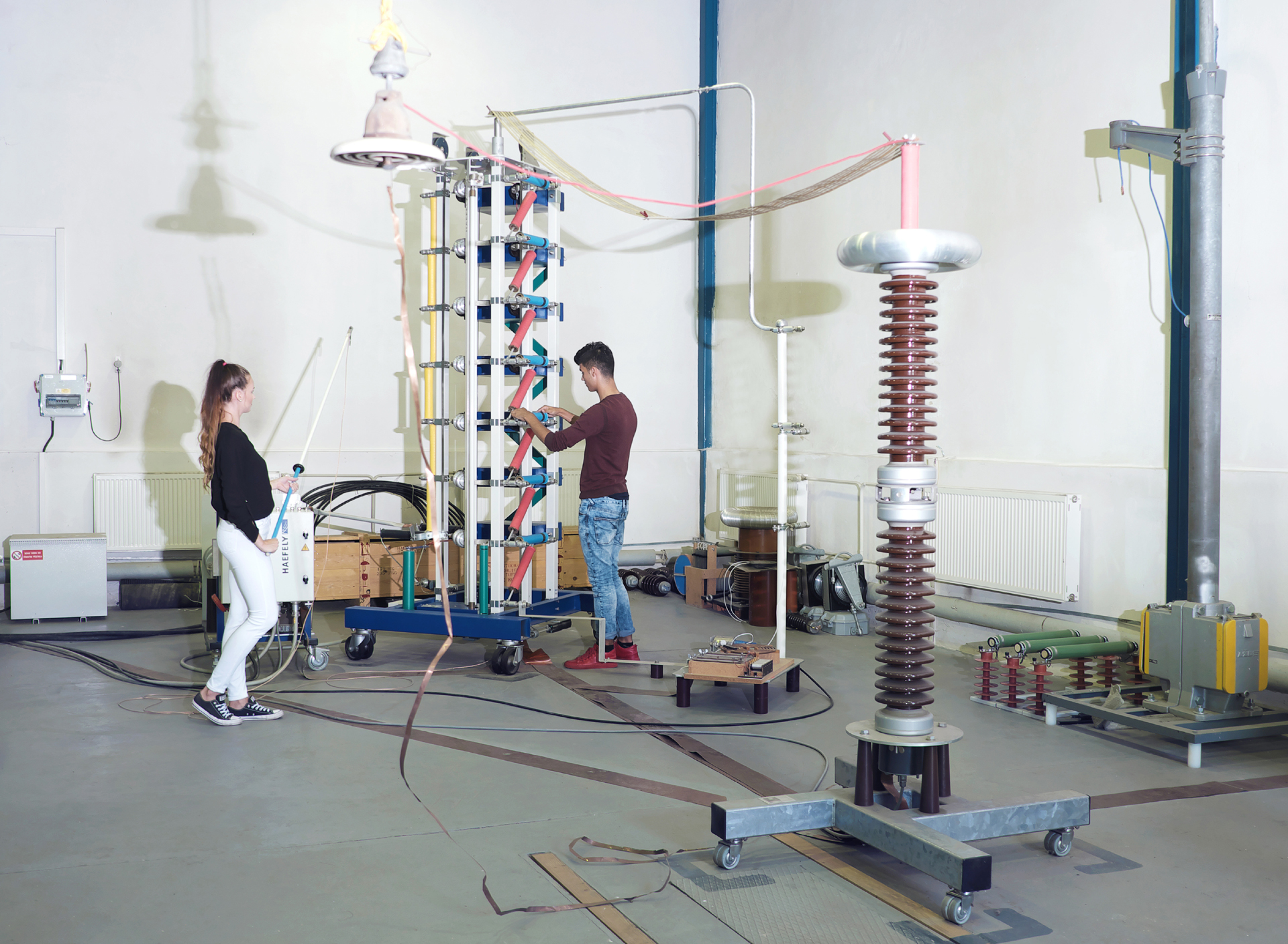
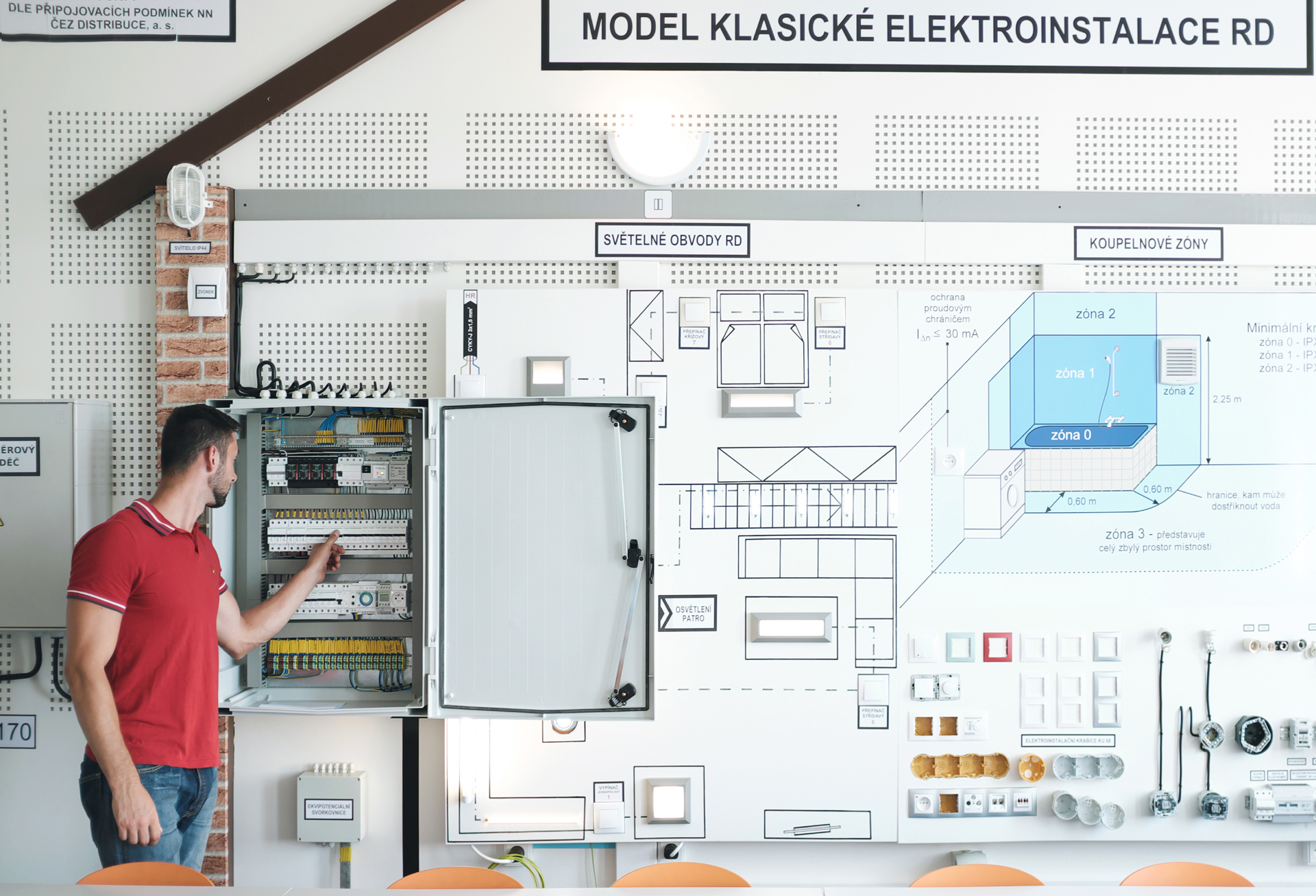
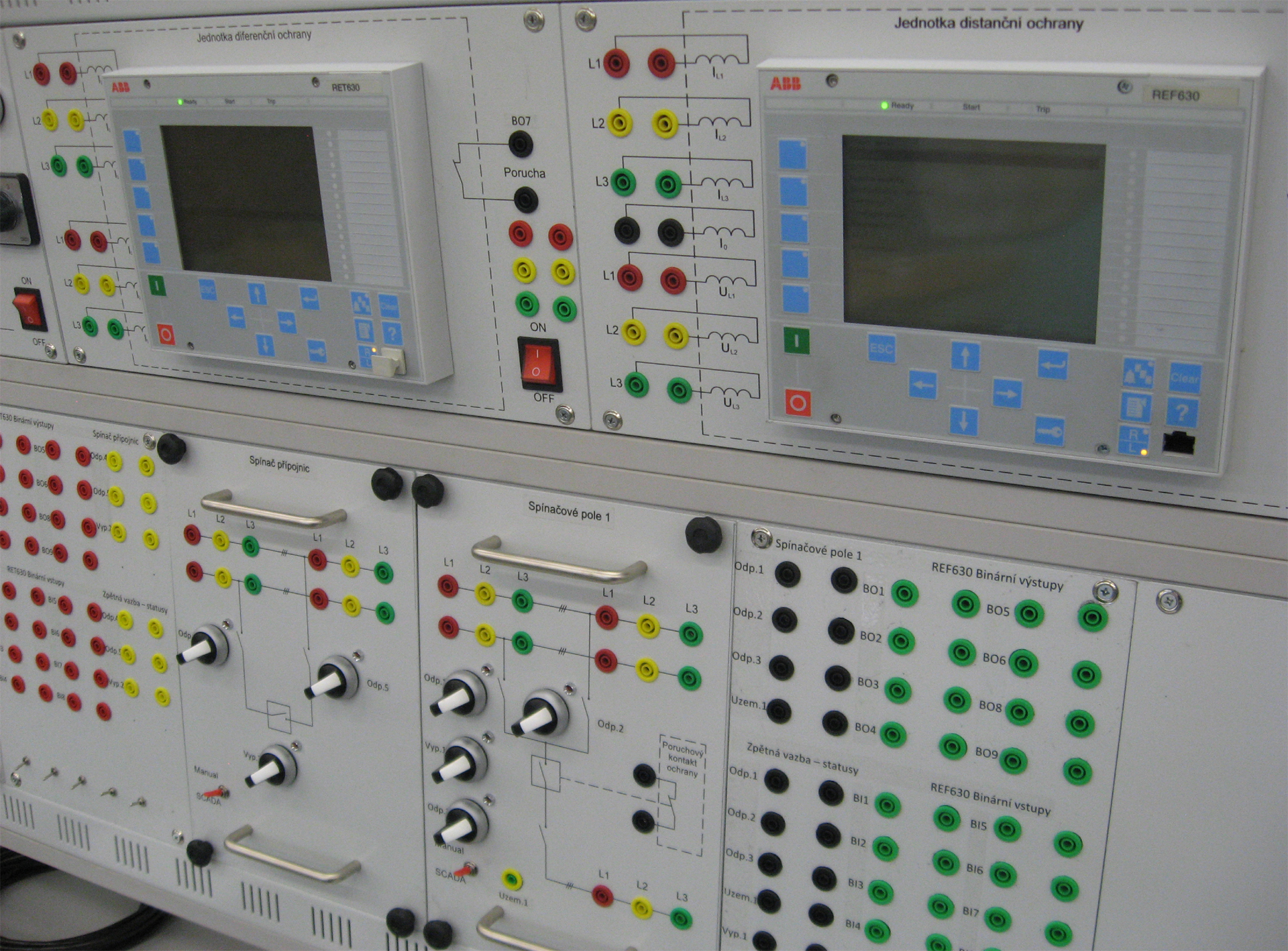
The aim of the two-year master’s course in Electrical Power Engineering is to educate engineers with a broad base of knowledge both of theory and of practical applications from the whole field of electrical power engineering, with the possibility of continuing to develop the acquired knowledge in doctoral studies. The graduates of the course are able to deal with both operational technical and research issues in the sphere of the production, transmission, distribution, and use of electrical energy, including an orientation focus on electrical machines and apparatus. The link to electrical power engineering companies and industrial partners is used both in the teaching, in the form of lectures given by experts from practice, and in the implementation of theses.
Graduate's employment
Graduates of Electrical Power Engineering are able to solve operational and technical problems in the production, transmission, distribution and use of electricity. Graduates will find jobs in managerial and executive positions in the phase of installation, commissioning, maintenance and operation of electrical equipment, in technical, design, investment and operating departments of power plants and transmission and distribution companies, power dispatch centres, departments of preparation and operation of the power grid, in the technical, design, investment, installation and operational units of industrial plants, in the use of electricity in industry, in addressing the issues of electric drives, electro-thermal equipment, electric lighting of indoor and outdoor spaces, as well as in testing, technical inspection and in research and development institutes.
Study aims
The follow-up master's degree program in Electrical Power Engineering is focused on independent creative activities in particular areas of electrical power engineering, which include especially:
- production, transmission and distribution of electricity,
- electrical machines and apparatus,
- use of electrical energy in the electric light area.
Therefore, the study is focused on deepening the theoretical basis of electrotechnical disciplines and on a more detailed introduction to up-to-date knowledge in narrower focus, which is followed by the topic of the thesis. The Master's program enables students to build on related bachelor study programs offered at the Faculty of Electrical Engineering and Computer Science of VŠB-TUO and other universities.
The aim of the master's degree program is to educate professionals who develop their ability to work independently in bachelor's degree programs. By further study of theoretical and application courses according to the study curriculum and elaboration of the master thesis, the student demonstrates the ability to apply the knowledge of the studied programme in a creative way. The study basis of the program consists of the courses Functions of Complex Variable and Integral Transformations, Power Engineering Theory and Selected Principles of Electrical Power Engineering. The theoretical foundations are followed by courses with a practical focus on the production and distribution of electricity or electrical machines and apparatus or electric light.
Graduate's knowledge
Graduates of the continuation Master’s study program demonstrate:
- a broad knowledge and understanding of the subject and scope of the discipline corresponding to the contemporary state of the knowledge.
- a wide and/or deep knowledge and understanding of theories, concepts and methods appropriate to the contemporary state of knowledge of the discipline.
- an understanding of the possibilities, conditions and restrictions on the use of knowledge of related disciplines.
Graduate's skills
Graduates of the continuation Master’s study program are able to:
- using their expertise, independently identify and creatively solve theoretical or practical problems in the field.
- solve complex problems independently and creatively using selected theories, concepts and methods of the discipline.
- use some of the advanced research methods of the discipline in a way which enables the acquisition of new and original information.
Graduate's general competence
Students of the continuation Master’s study program are able to:
- make independent and responsible decisions within new or changing contexts or in a fundamentally changing environment, taking into account the wider social implications of the decision.
- according to the evolving context and the available resources, define the terms of reference for professional activities, coordinate them, and bear the ultimate responsibility for their results.
- independently solve an ethical problem.
- clearly and persuasively communicate their own expert opinions both to professionals and to the general public.
- use their expertise, skills and general competence in at least one foreign language.
- plan, support and manage the acquisition of additional expertise, skills and competencies of other team members, using the theoretical knowledge of the discipline.
- Electrical testing engineer
- Lightning systems designer
- Water and wind power plant technologist
- Power plant dispatcher
- Transmission grid operator
- Power grid maintenance engineer
- Industrial power engineering development specialist
- Energy production technology engineer
- Power plant system engineer
- Electrical power engineer
- Electric machinery design engineer
- Designing
- Design of lighting
- LV networks and wiring in buildings
- Design of electrical devices
- Energy balances
- Creation of technical reports in the field of electrical engineering
- Lighting systems
- Orientation in electrotechnical, construction, and building diagrams
- Orientation in the field of thermal energy equipment
- Electricity networks
- Renewable energy sources
- Design of non-rotating electrical machines
- Electrothermal devices
- Measurement of electrical quantities
- Electrical machines and appliances
- Distribution networks
- Electricity safety
- Electroenergetic devices
- Design of rotating electrical machines
- Knowledge of electroenergetics in transport
E-application
- Faculty

- Type of study
- Follow-up Master
- Language of instruction
- English
- Code of the programme
- N0713A060004
- Regular period of the study
- 2 years
- Cost
- 50,000 CZK per semester
- Coordinating department
- Department of Electrical Power Engineering
- Coordinator
- prof. Ing. Radomír Goňo, Ph.D.
- Keywords
-
Use of Electrical Energy
Electrical Power Engineering
Electrical Machines and Apparatus
Production of Electrical Energy
Transmission and Distribution of Electrical Energy